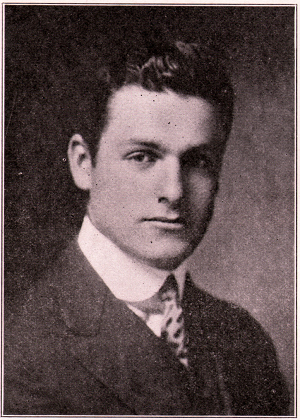
Harold Taylor Andrews was born on November 10, 1893, in Portland, Maine, the son of William Wallace Andrews, longtime principal of Portland’s Butler School, and Harriet E. Bradford Andrews. He grew up in a household steeped in education and discipline, attending Hebron Academy and later pursuing engineering studies at the University of Maine.
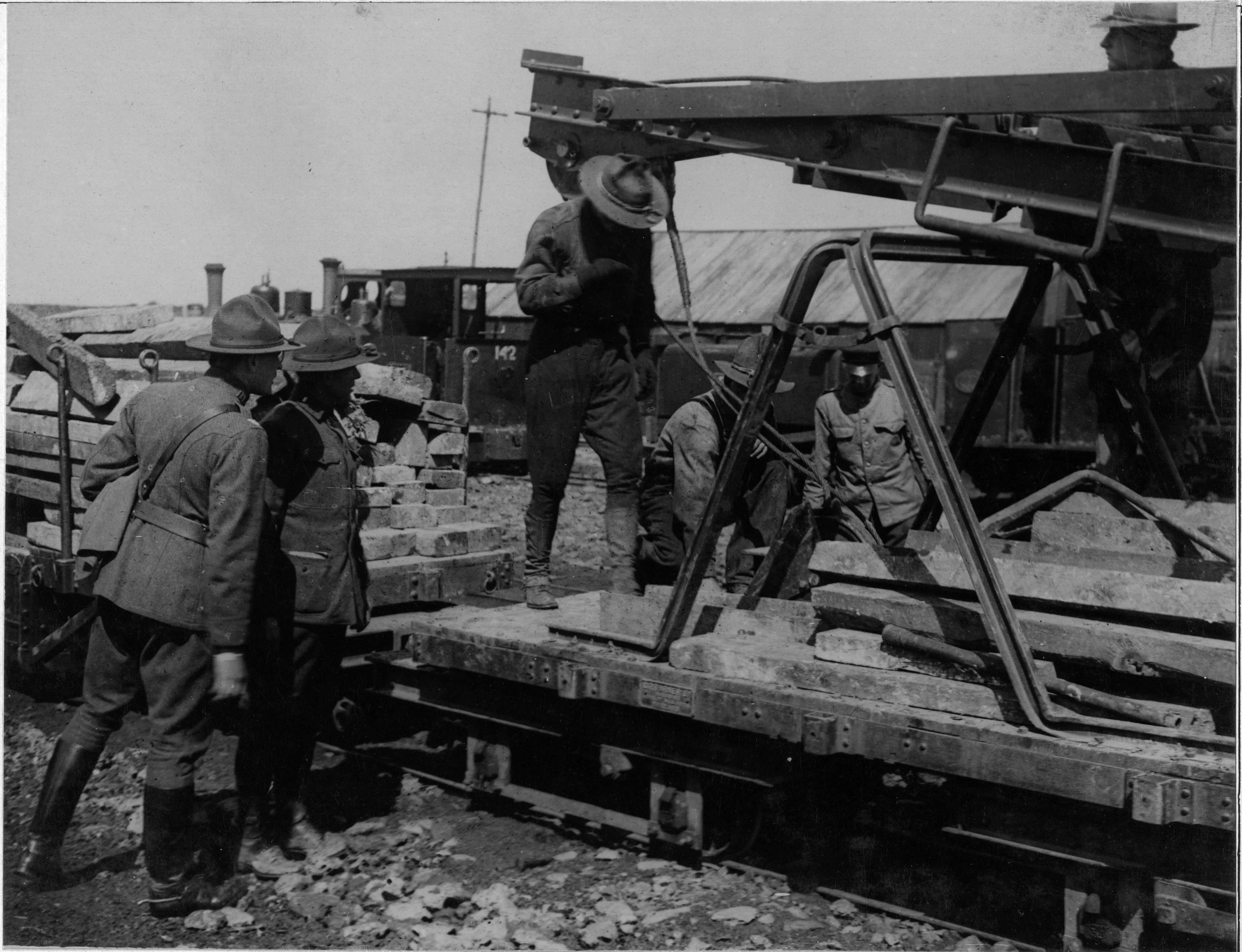
When the United States entered World War I in April 1917, Andrews was quick to act. On May 15 of that year, he enlisted in the Army and joined Company B of the 11th Engineers, one of the first American units dispatched to the Western Front. The engineers’ work was crucial: laying tracks, building roads, and ensuring supplies could reach the fighting men at the front lines.
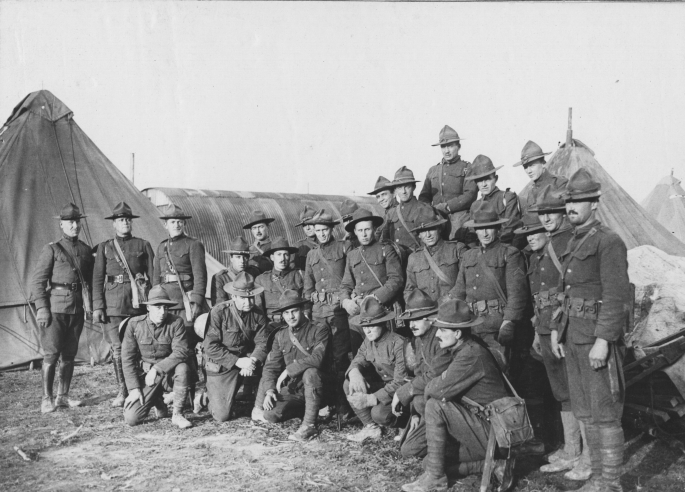
By November 1917, the 11th Engineers were at Cambrai, France, working in support of the British during one of the first great tank offensives of the war. On November 30, while Andrews and his comrades were laying new tracks to keep supplies flowing, German storm troopers launched a sudden and violent counterattack. The Americans, though not primarily trained as infantry, were forced into a desperate fight for survival as British forces struggled to repel the assault.
In the aftermath of that battle, Sergeant Harold T. Andrews was among the dead. At just twenty-four years old, he became the first soldier from Maine to perish in World War I — and one of the earliest Americans to give his life on European soil.
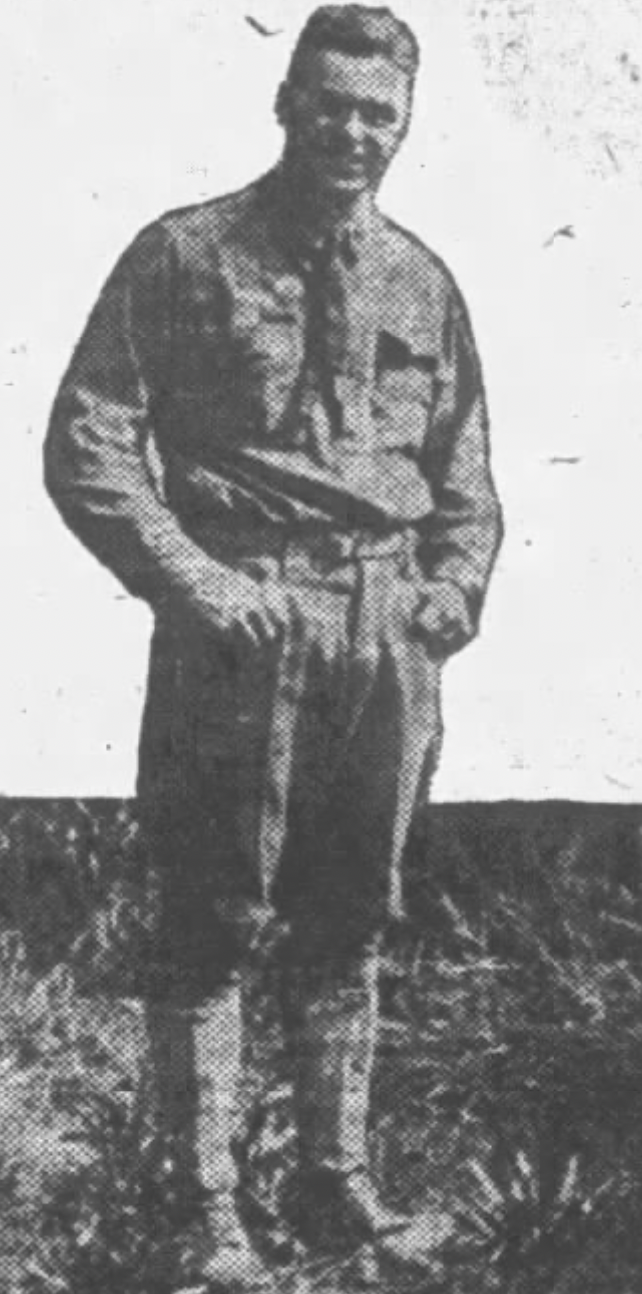
Over the years, a commemorative account of Andrews’ final moments has circulated. According to this retelling, during the German attack he seized an abandoned machine gun and fired alongside British soldiers, making a stand before being killed. This story has appeared in local memorial accounts and centennial reflections, and it captures the spirit of Andrews’ courage. However, it is important to note that this detail cannot be verified in the official Army record. The known fact remains: Sergeant Andrews was killed in action at Cambrai on November 30, 1917, during one of the first direct engagements of American forces in the Great War.
In recognition of his sacrifice, Portland honored his memory with a permanent tribute. On Armistice Day, 1919, the intersection at Clark, Pine, and West Streets was dedicated as Harold T. Andrews Square, marked with a bronze plaque. Thousands attended the dedication ceremony, ensuring that his name and sacrifice would not fade into obscurity. The square remains a visible reminder to this day of the cost of freedom and the youth who bore it.
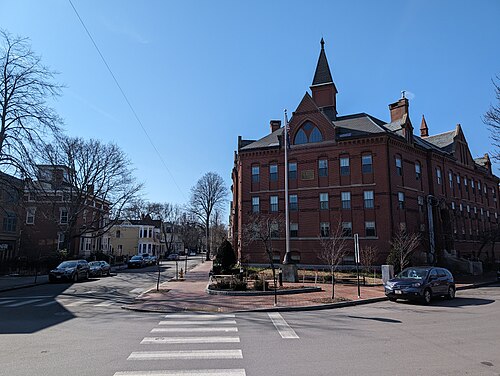
Though his life was cut short, Harold T. Andrews’ legacy endures. He stands as a symbol of Maine’s contribution to the Great War and of the simple but profound truth: all gave some, but some gave all.
Sources and Further Reading
-
World War I Centennial Commission. “First Mainer Lost in WWI: A Painful Memory of a Century Ago.” Accessed September 7, 2025.
worldwar1centennial.org -
Portland Press Herald. “WWI Centennial: Portland remembers the ‘war to end all wars’.” April 3, 2017. Accessed September 7, 2025.
pressherald.com -
WGME News. “Maine Minute: Harold Andrews, first Mainer to die in WWI.” Accessed September 7, 2025.
wgme.com -
University of Maine. Memorial Book: Honoring the Fallen of World War I. Orono: University of Maine Press, 2018. Accessed September 7, 2025.
digitalcommons.library.umaine.edu -
Wikipedia. “Andrews Square (Portland, Maine).” Accessed September 7, 2025.
en.wikipedia.org -
Honor States. “Harold Taylor Andrews.” Accessed September 7, 2025.
honorstates.org -
Portland Press Herald. “Portland Man First From State to Die in War.” December 1917. Accessed September 7, 2025. Newspapers.com.
newspapers.com -
Boston Globe. “Harold T. Andrews Killed in Action with 11th Engineers.” December 1917. Accessed September 7, 2025. Newspapers.com.
newspapers.com -
Lewiston Daily Sun. “Memorial for Sergeant Andrews.” November 1919. Accessed September 7, 2025. Newspapers.com.
newspapers.com